

In the heart of Yorkshire's lush landscape, beneath the gentle slopes and vibrant towns, lies a mysterious realm waiting to be investigated. Ground Penetrating Radar, commonly known as the GPR system, has emerged as an crucial tool for uncovering the mysteries lying just beneath the surface. Whether for development initiatives, excavations, or environmental studies, GPR provides a gentle means of scanning the subsurface, making it extremely beneficial for diverse applications across the territory.
As the demand for construction grows, so does the need for careful planning to avoid financial blunders and ensure secure practices. Understanding how Topographic Surveys Halifax Yorkshire work, when to adopt them, and their significance in adhering to standards such as PAS 128 can be important for project managers and builders alike. This article examines various aspects of GPR surveys in Yorkshire's expansive landscape, from locating non-metallic pipes and abandoned mine shafts to inspecting heritage sites and ensuring conformity with safety guidelines. Join us as we uncover the captivating ways GPR is molding the future of development and preservation in Yorkshire.
Comprehending Ground Penetrating Radar Studies in Yorkshire
GPR studies serve a critical role in understanding subsurface conditions in the Yorkshire region. This non-invasive technology utilizes radar signals to visualize the underground, providing vital data about subsurface structures, utilities, and geological features. With PAS 128 Surveys Middlesbrough Yorkshire and historical significance of the region, GPR investigations become essential for building, archaeological, and environmentally-focused initiatives. The capacity to unveil concealed layers beneath the ground not only aids in planning but also enhances safety measures during excavations.
In Yorkshire, GPR is particularly efficient at finding nonferrous tubes and wiring before ground disturbance takes place. This capability helps builders avoid harming crucial underground utilities, which can lead to costly delays and safety hazards. The obstacles posed by different soil compositions, such as mud and moisture levels, influence the effectiveness of Ground Penetrating Radar. However, with adequate methods and tools, surveyors can adapt to these conditions to attain precise findings.
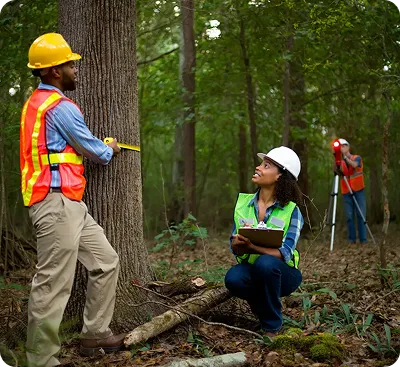
As utility mapping standards evolve, following guidelines like PAS 128 is important for making sure that GPR surveys meet industry expectations. These standards help streamline processes for construction projects while ensuring compliance with safety standards. By grasping the importance of Ground Penetrating Radar investigations and how they can be applied efficiently, stakeholders in the region can make informed decisions that support their initiatives and the wider society.
Applications of GPR Technology
GPR is a versatile tool widely used in various fields, especially in infrastructure and construction. In Yorkshire, GPR plays a key role in utility mapping, providing exact locations of buried services such as H2O, natural gas, and electric lines. This technology helps prevent financially damaging utility damages during construction, safeguarding both laborers and pre-existing structures. By mapping out subsurface conditions, GPR surveys enable construction managers to make informed decisions and enhance the safety of building sites.
Another notable application of GPR is in the field of archaeological studies, where it is used to locate ancient structures and items without invasive digging. In Yorkshire's northern region, GPR has been used to locate grave plots and unidentified graves in historic churchyards, providing insights into the region's cultural heritage. This gentle method allows historical researchers to examine areas of interest, preserving the integrity of the site while discovering valuable insights about past civilizations.
GPR technology is also vital in soil investigations, where it assists in analyzing ground conditions and identifying potential subsurface gaps, including disused mine shafts. This application is particularly important in Yorkshire's southern and western regions, where land can be affected by historic mining activities. By merging GPR data with findings from boreholes and exploratory pits, engineers can enhance their understanding of the subsurface landscape, leading to more secure construction methods and improved site preparation.
Securing Adherence & Safety in Subsurface Investigations
In Yorkshire, adherence to regional regulations & safety norms is essential for any subsurface study project, particularly when using ground penetrating radar technology. It's important to familiarize oneself to the HSG47 guidelines, which help prevent danger associated with underground services on construction sites. Adhering to these protocols not only ensure the protection of workers but also mitigates the risks related to interfering with utilities, which can lead to significant setbacks as well as financial losses.
Additionally, comprehending PAS 128 utility surveying standards is vital for project managers overseeing construction within Yorkshire. These standards outline the preferred practices for detecting and mapping underground utilities, ensuring that all risks are addressed prior to breaking ground. Implementing these standards significantly enhances the security of digging processes and ensuring that projects stay compliance with industry expectations, providing important reassurance.
Lastly, hiring skilled professionals while conducting GPR surveys is essential to ensure compliance & safety. These experts are trained with the required expertise to interpret the data accurately & deliver detailed reports that highlight potential underground hazards. By employing a qualified GPR survey contractor who adheres to best practices and maintains a strong commitment to safety, construction teams in Yorkshire can manage subsurface challenges effectively, leading to effective & compliant project execution.