

In recent years, Ground Penetrating Radar, also referred to as Ground Penetrating Radar, has become an invaluable tool for various surveying and construction projects across the Yorkshire region. This non-invasive approach allows us to look beneath the ground surface, providing insight into the structures and utilities below ground without the necessity of invasive digging. As metropolitan areas develop and infrastructure initiatives become more complex, grasping the subsurface layers has never been more crucial.
Whether you are a contractor preparing for a new development, an archaeologist examining historical locations, or a landowner seeking to protect your property, GPR surveys provide extensive information. From locating hidden utility lines and abandoned mine shafts to evaluating concrete structures and documenting undocumented features, the uses for GPR technology are vast and varied. In this piece, we will cover the many facets of GPR surveys in Yorkshire, explaining their significance, techniques, and the best practices for ensuring successful outcomes in any ground survey project.
Comprehending Ground Penetrating Radar Studies in the Yorkshire Region
Ground Penetrating Radar (GPR) surveys have become an essential method in Yorkshire for multiple applications, especially in building and historic preservation. GPR utilizes high frequency electromagnetic waves to advance into the earth and offer rich images of subsurface elements and services. PAS 128 Surveys Yorkshire enables surveyors to locate and map below-ground elements, for example tubes, wiring, and also cavities, that are vital for steering clear of financially burdensome and dangerous utility strikes during digging operations.
In Yorkshire, the need for GPR assessments is especially important due to the region's intricate geology and diverse development history. GPR Surveys Yorkshire , such as clay content and humidity levels, can greatly impact the depth of penetration and the accuracy of the data gathered. Comprehending the regional context enables surveyors to enhance their technique and guarantee precise data, which makes GPR an valuable technique for site assessment and risk management.
Furthermore, complying with standards such as the PAS 128 standard for mapping utilities is essential for compliance and safety on building sites in Yorkshire. GPR surveys, when coupled with supplementary methods like electromagnetic positioning and topographic scanning, provide comprehensive information into subsurface environments. This integrated approach not just enhances planning for projects and also assists the preservation of heritage, as GPR can be used to examine archaeological sites and forgotten burials across the area.
Uses of Ground Penetrating Radar in Construction and Historical Research
Ground Penetrating Radar has become an essential tool in the construction industry, providing critical data before excavation starts. In Yorkshire, Ground Penetrating Radar surveys help determine the location of buried utilities such as plastic pipes and cables, which can avert expensive utility strikes during construction work. The power to see underground conditions enables project managers to plan secure and efficient processes, thus lessening delays and potential hazards on-site. Additionally, Ground Penetrating Radar inspections can assess the structural integrity of concrete slabs, uncovering the occurrence of rebar, post-tension cables, and conduits that need to be considered during coring or boring activities.
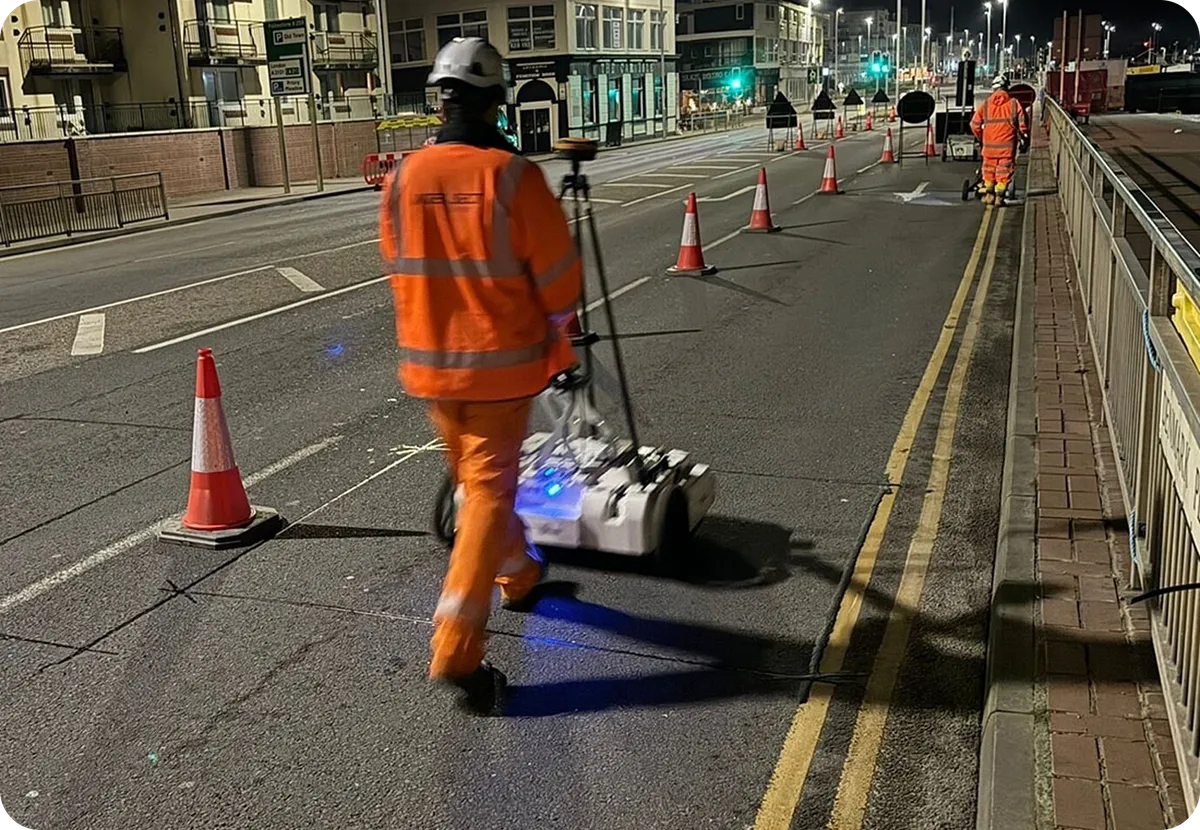
In historical research, GPR plays a significant function in discovering ancient artifacts without disrupting the area. It has been particularly effective in charting grave plots and unmarked burials in ancient churchyards across Yorkshire, allowing researchers to record significant findings while protecting the authenticity of the site. Furthermore, Ground Penetrating Radar can identify underground voids and other abnormalities that may point to previous human activity, providing insights into past landscapes and cultural settlements without the need for destructive excavation methods.
Beyond building and archaeology, Ground Penetrating Radar also offers implementations for environmental assessments and geotechnical investigations. In the city of Leeds and Sheffield, for instance, GPR inspections can ensure safe borehole and trial pit clearance by detecting hazards like abandoned mine shafts or subsurface voids. This multifaceted approach boosts safety and compliance with standards such as HSG47, making Ground Penetrating Radar a vital instrument for different sectors. By combining GPR surveys with additional methods like electromagnetic locating and landform mapping, Yorkshire-based experts can achieve thorough site assessments tailored to their particular needs.
Pricing and Considerations for GPR Surveys
The cost of GPR surveys in Yorkshire can vary based on several factors, including the area of the site being surveyed, the complexity of the site, and particular requirements of the project. Generally, smaller projects or simple surveys prove to be more cost-effective, while larger or more challenging sites, like those with congested urban structures, may incur higher charges. It is essential to get quotes from several survey contractors to ensure a fair rate.
When planning for a GPR survey, factors such as site accessibility, the availability of underground infrastructure, and potential environmental impacts must be considered. Awareness of these factors helps in budget estimation but also ensures a more efficient survey process. Collaborating with local survey experts can provide information into unique challenges or advantages specific to the Yorkshire environment.
Finally, understanding your project's specific needs is crucial to making educated decisions regarding GPR surveys. Take into account factors like desired depth of investigation, types of substances to be discovered, and the extent of detail required in the final report. Customizing the approach to these considerations can lead to improved outcomes and substantial cost cutbacks, eventually maximizing the return of the GPR survey.