

In these picturesque scenery of Yorkshire, an hidden realm lies under our surface, hiding both the vestiges of history and current infrastructure. GPR, also known as Ground Penetrating Radar, is becoming as effective tool for revealing these mysteries, providing a non-invasive method to underground exploration. If you're a construction manager planning a upcoming site development, a historian searching for ancient artifacts, or a homeowner concerned about buried utilities, learning about GPR surveys is essential to navigating the complexities of the ground beneath.
While Yorkshire continues to change, the need for efficient and secure methods to find underground assets has yet been greater. By utilizing advanced GPR technology, one can identify non-metallic pipes, evaluate structural integrity, and prevent costly pitfalls caused by unrecorded utilities. The following article will delve into the various applications of GPR surveys in Yorkshire, while also examining compliance with industry standards and the advantages of combining GPR with other locating methods. Come us on this journey to uncover how GPR is transforming the way we understand and manage the concealed depths of Yorkshire.
Comprehending Ground Penetrating Radar Investigations in the Yorkshire Region
Ground Penetrating Radar, or GPR, is an cutting-edge geophysical technique used to explore subsurface structures and aspects. In the Yorkshire area, GPR surveys have gathered noteworthiness due to the region's varied geological features and the requirement for controlled excavations in metropolitan areas. This non-invasive technology employs radar signals to map the underground, enabling surveyors to locate utilities, reveal cavities, and evaluate soil conditions without interfering with the ground.
In building initiatives throughout the Yorkshire region, GPR surveys are essential for avoiding costly damaging hits on buried utilities. As city growth expands, the risk of impacting underground infrastructures becomes notable, highlighting the necessity of precise underground mapping. GPR surveys provide valuable insights that helps contractors prepare for digging, ensuring compliance with safety standards and guidelines.
Moreover, GPR investigations are not confined to utility mapping. They serve a vital role in archaeological-related studies, discovering ancient burial sites and unmarked burials across Yorkshire's historic locations. As heritage conservation continues to be a priority, Ground Penetrating Radar facilitates respectful and effective investigation of the past without interfering with fragile sites. This adaptability makes Ground Penetrating Radar an essential tool for various applications in Yorkshire’s varied terrain.
Implementations of GPR in Civil Engineering and Safety
Ground Penetrating Radar plays a essential role in the infrastructure sector, primarily in identifying buried utilities. As construction projects unfold across this area, knowing the specific location of composite pipes, cables, and other subsurface assets becomes critical. This precision helps contractors avoid costly utility strikes, which can result in setbacks and additional expenses. GPR surveys allow workers to accurately locate these hidden lines before any digging begins, ensuring security and efficiency during construction phases.
In addition to utility mapping, GPR is crucial for analyzing the structural integrity of existing structures such as overpasses and roadways. High-frequency GPR can be employed to scan pavements, revealing the presence of rebar, post-tension cables, and conduits within slabs. This information is essential when designing repairs or modifications to these structures, enabling engineers to make educated decisions while reducing risks associated with hidden defects or voids beneath the surface.
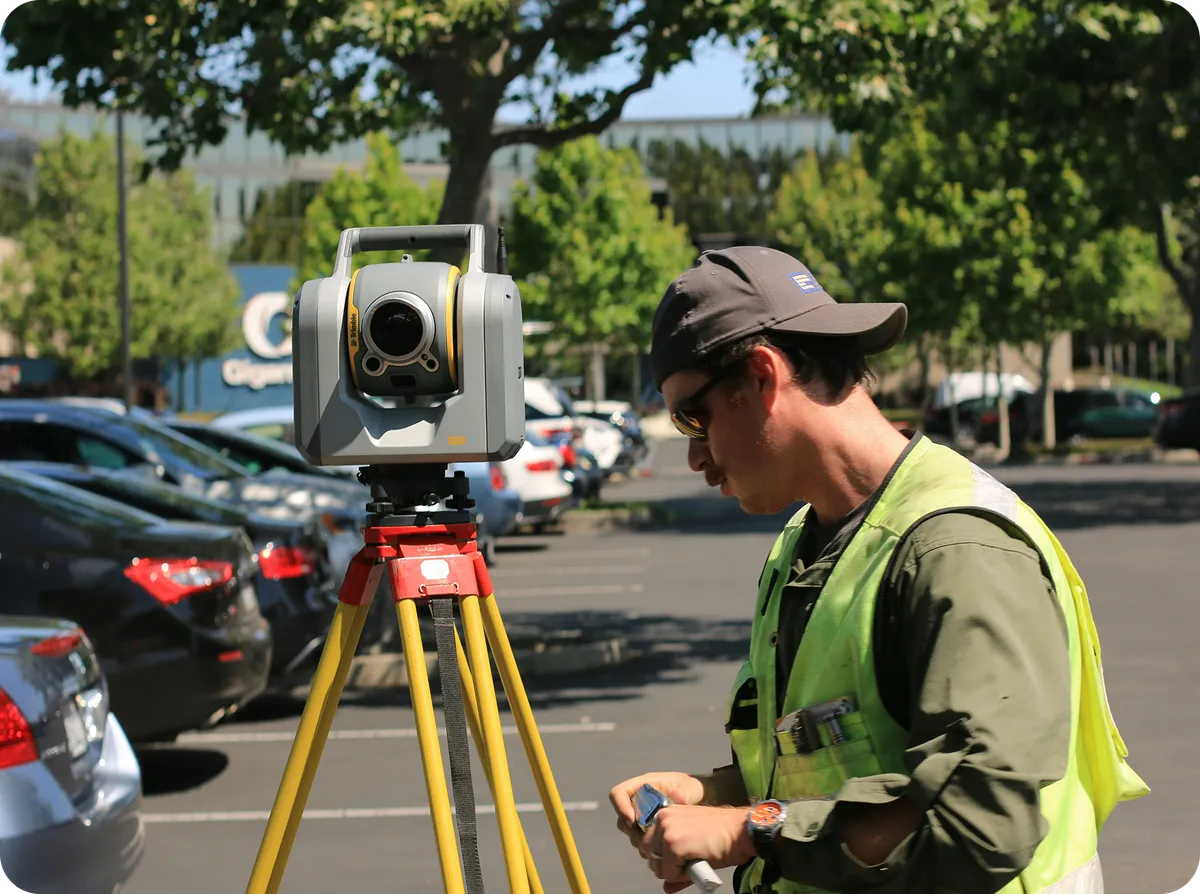
Another major application of GPR is in the area of safety assessments for sites potentially impacted by subsurface anomalies, such as abandoned mine shafts or voids. In regions like South Yorkshire and West Yorkshire, where geological conditions may feature unpredictable subsurface characteristics, GPR can help locate these hazards, allowing for strategic planning and remediation efforts. https://landsurveysyorkshire.co.uk/ enhances site safety and ensures adherence with safety standards, ultimately safeguarding both workers and the surrounding environment during building operations.
Cost and Considerations for Ground Penetrating Radar Surveys
When planning a GPR survey in the Yorkshire region, understanding the financial implications is important for financial planning efficiently. The fee of a Ground Penetrating Radar survey can differ significantly based on several factors, including the size of the location being surveyed, the depth of penetration, and the complexity of the subsurface conditions. Typically, surveys are priced on a site basis or on a daily basis, and it’s recommended to obtain multiple quotes from knowledgeable contractors to secure competitive pricing. Factors such as travel distance, site access, and the need for specific equipment can also influence costs.
In addition to the financial aspect, it is crucial to take into account the time required for a GPR survey. While the data collection phase can typically be done swiftly, the post-processing of radar data into actionable insights takes more time. Clients should expect a thoroughly detailed analysis of the results, which can include detailed reports and illustrative examples of subsurface features. This guarantees that the findings are not only precise but also beneficial for guiding project choices.
Finally, selecting the appropriate GPR survey contractor is a vital aspect. Credentials, experience with local geological conditions, and knowledge with Yorkshire’s rules can greatly affect the reliability of the results. Possible clients should ask key questions regarding the contractor's approaches, technology used, and past project cases to ensure they select a team able to satisfying their specific needs. Addressing these aspects will enhance the success of the GPR survey and the overall project results.