

In recent years, ground-penetrating radar, also known as GPR, has emerged as a pivotal technology in the realm of subsurface investigation, particularly in regions like the Yorkshire area. This non-destructive method allows geophysical surveyors, builders, and archaeologists to investigate below the surface without the need for large-scale excavation. As urban development and land management in Yorkshire continue to expand, comprehending and utilizing GPR technology becomes increasingly essential.
GPR surveys both facilitate the mapping of subsurface utilities but also play a key role in heritage preservation and environmental assessments. From detecting unrecorded drainage systems and abandoned mine shafts to ensuring compliance with safety guidelines on construction sites, GPR offers a sophisticated means of uncovering concealed histories beneath our feet. As we explore the various applications and gains of GPR technology in Yorkshire, we will uncover how it shapes our understanding of the earth we walk on and helps prevent costly surprises during construction activities.
Grasping Ground Penetrating Radar Technology along with Its Applications in Yorkshire
Ground Penetrating Radar is a technology is a non-intrusive method that uses electromagnetic pulses to visualize the underlying layers. In this region, GPR has established itself as an essential asset for various applications, from utility mapping to surveys of archaeological sites. By sending high-frequency electromagnetic waves into the ground, GPR collects the reflections reflected by different materials, enabling surveyors to generate detailed representations of what's buried below. This technology delivers a non-hazardous and efficient way to assess buried environments without the necessity for earth removal.
In the construction industry and engineering fields, GPR is particularly beneficial for detecting non-metal pipes and cables, which commonly go undetected with standard practices. Construction professionals in the Yorkshire region leverage GPR to avoid significant utility strikes before earthworks commence, ensuring conformity with safety standards such as HSG47. Additionally, GPR surveys can uncover features like old mine shafts and buried cavities, vital details that helps lessen risks on building sites across South and West Yorkshire.
The use of GPR in archaeology of GPR are also significant in Yorkshire, where preservation of heritage is a key focus. By locating gravestones and anonymous graves in old churchyards or locating archaeological features in sites of archaeological interest, GPR facilitates archaeologists to collect information while minimizing interference to the soil. This dual application of GPR in contemporary construction and preserving history demonstrates its flexibility and value in overseeing Yorkshire's rich underground resources responsibly.
Contrasting GPR to Alternative Locating Methods
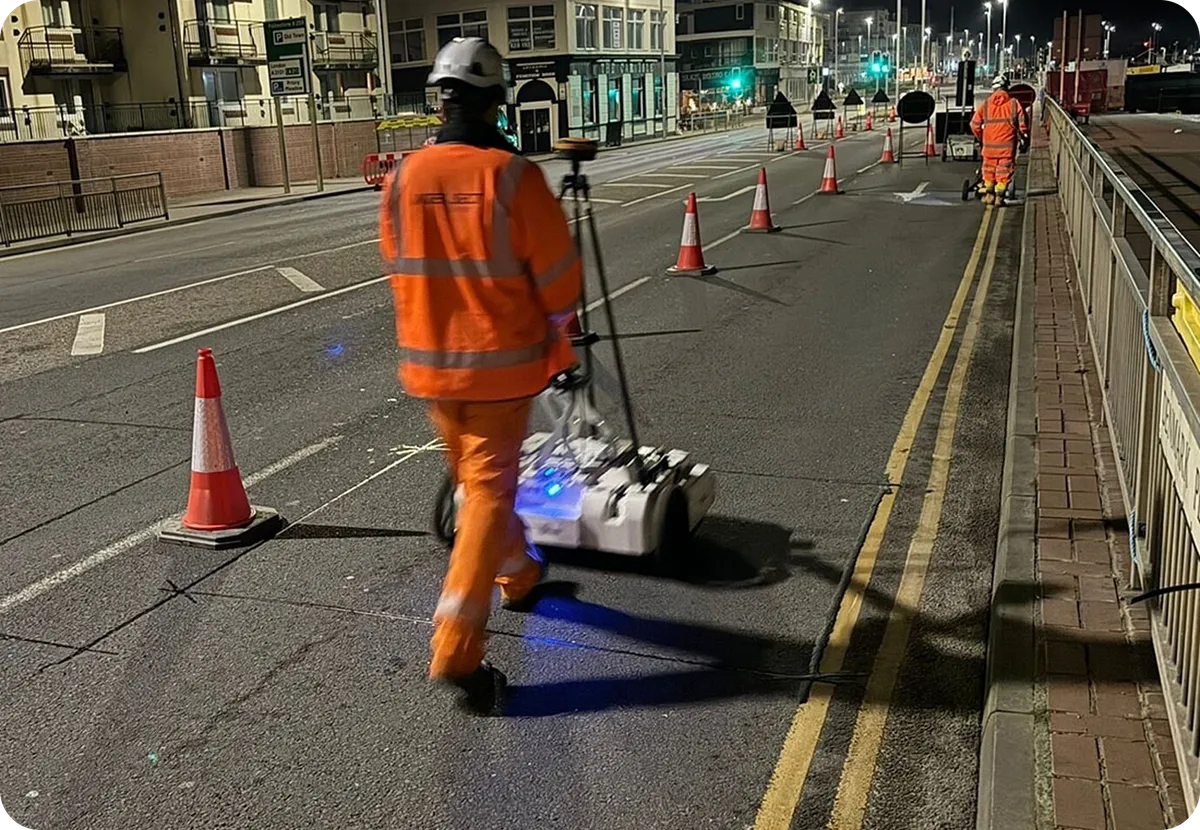
Ground Penetrating Radar is a powerful instrument for subsurface investigation, but it can be enhanced by other locating methods to enhance the precision of subsurface utility detection. PAS 128 Surveys Yorkshire locating represents a similar approach that is frequently used together with GPR. While EM is effective at detecting metal utilities by identifying the electromagnetic field they produce, it has shortcomings when it pertains to non-metallic pipes and cables. By merging ground penetrating radar and electromagnetic locating, surveyors can gain a broader understanding of the subsurface landscape, allowing for improved planning and reduced risk of damage during excavation projects.
Another notable method includes the application of traditional survey practices, which typically rely on current utility maps and drawings. However, these maps can often be obsolete or incorrect. Ground Penetrating Radar provides an advantage by offering a live view of the subsurface conditions, enabling surveyors to detect features that may not be captured in conventional utility databases. This renders ground penetrating radar particularly valuable on sites with a complex history or where records are scarce, such as brownfield sites or older urban areas in Yorkshire.
Lastly, physical probing or excavation techniques are another alternative for identifying underground structures. While these methods can be effective, they can also be time-consuming, invasive, and potentially damaging to existing utilities. GPR offers a non-invasive option that can rapidly and effectively map the subsurface, enabling for more targeted excavation when needed. This not just minimizes the interference to the site but also helps in maintaining the integrity of current infrastructure, making ground penetrating radar a favored choice for many construction and engineering projects in Yorkshire. ### Practical Considerations for GPR Surveys in Construction
When planning a Ground Penetrating Radar survey for construction projects in Yorkshire, several practical considerations need to be taken into account. First, assessing site accessibility is crucial. GPR equipment is often mobile yet may require particular spots for the best readings. Ensure that survey area is free from hindrances and that any necessary permissions are in place for equipment use on private or public land. This will help in preventing possible delays during the surveying process.
Another key element to consider is gaining insight into the local geology and soil characteristics. Yorkshire's varied landscape, particularly the occurrence of clay-rich soils, can significantly affect GPR penetration depth and the clarity of the results. Topographical Surveys Yorkshire must evaluate these aspects prior to conducting the survey to modify their methods as needed. Seasonal changes can likewise affect soil moisture content, affecting the survey's effectiveness, so consider scheduling with these conditions in mind.
In conclusion, it is essential to communicate effectively with all stakeholders involved in the construction project. Interacting with project managers and construction crews ensures that all stakeholders understand the GPR survey's goals, expected outcomes, and limitations. Regular updates can help integrate the findings into the overall project plan, preventing unexpected issues during the excavation phase. Clear communication plays a key role in ensuring the safety and efficiency of the construction process.